I’ll start studying later" became my daily loop: How online learning platforms finally helped me build a real routine
We’ve all been there—telling ourselves we’ll learn that new skill or finally finish that course, only to scroll past it again and again. I kept saying “I’ll start tomorrow,” but tomorrow never came. That changed when I stopped relying on willpower and started using online learning platforms in a smarter way. It wasn’t about motivation anymore—it was about design. I realized I didn’t need more time. I needed a better way to use the time I already had. This is how I turned chaotic intentions into a consistent habit, and how you can too. If you’ve ever felt stuck between wanting to grow and not knowing where to begin, this is for you.
The Excuse I Couldn’t Break: Why “Busy” Wasn’t the Real Problem
For years, I told myself I was too busy to learn anything new. Between school runs, meal prep, household chores, and the never-ending mental load of managing a home, there just didn’t seem to be room. I’d look at online courses and think, Maybe next month. When things calm down. But things never really calmed down. Life just kept moving. The truth I finally admitted was harder to face: I wasn’t really too busy. I was too unfocused. My intentions were scattered—buried under to-do lists and last-minute errands. I wanted to learn, yes, but I hadn’t made space for it in my actual life.
Learning felt like an extra weight, not a part of my rhythm. I’d sign up for a course with excitement, only to open the app days later and feel overwhelmed by where to start. Was I supposed to watch a full 45-minute lecture? Take notes? Complete a quiz? Without a clear plan, even ten free minutes slipped away into checking emails or scrolling through social media. The real issue wasn’t time—it was structure. I had plenty of moments in the day, but no system to turn them into progress.
That’s when I started asking different questions. Instead of When will I find time? I asked, Where are the small, predictable moments I already have? I began to see my day not as something to survive, but to shape. And that shift in mindset was the first real step toward change. I realized I didn’t need a big chunk of time. I just needed one tiny, repeatable moment I could count on. Once I found it, everything else started to follow.
Finding the Right Platform Was Only Half the Battle
At first, I thought the key was choosing the “best” platform. I signed up for one after another—some with beautiful videos, others with expert instructors, a few even offered certificates. Each time, I felt a rush of accomplishment just hitting that “enroll” button. But that feeling faded fast. Within days, I’d stop logging in. The courses were still there, the content was solid, but I wasn’t showing up. I’d tell myself I wasn’t disciplined enough, or that I didn’t have the right learning style. But the truth was simpler: access wasn’t the problem. Consistency was.
Having hundreds of courses at my fingertips didn’t help if I wasn’t using them regularly. I was treating learning like a weekend project—something to do when I had “free time.” But free time is rare, especially when you’re managing a household and caring for others. What I needed wasn’t more content. I needed a rhythm. I had to stop thinking about what I was learning and start thinking about when and how I was engaging with it.
That’s when I shifted my focus. Instead of chasing the perfect course, I looked for platforms that made it easy to return—every single day. I chose ones with simple interfaces, mobile access, and short, digestible lessons. The content still mattered, of course, but now I prioritized usability. I wanted to open the app and immediately know what to do, without thinking. I wanted it to feel like brushing my teeth—routine, automatic, almost invisible. That’s when progress finally started. It wasn’t the platform that changed everything. It was how I started using it.
The 15-Minute Rule That Changed Everything
I used to believe that if I wasn’t studying for an hour, I wasn’t really learning. I imagined serious students with quiet desks and full notebooks, diving deep into material. I felt guilty if I only watched one short video or skimmed a few pages. But here’s what I learned: big efforts are unsustainable. Small ones, repeated daily, are transformative.
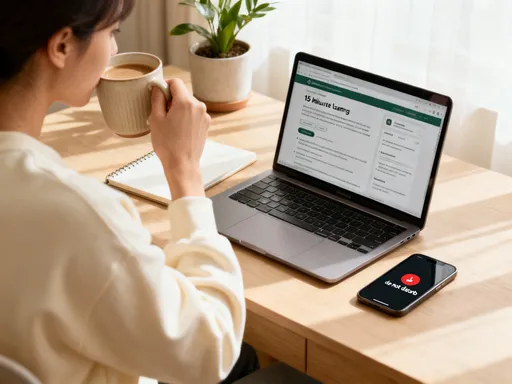
So I made a rule: just 15 minutes a day. That’s it. No pressure to finish a module, no guilt if I didn’t take notes. I just had to show up. And to make it stick, I tied it to something I was already doing—drinking my morning coffee. As soon as I sat down with my mug, I opened my learning app. No debate, no decision fatigue. It became part of my morning ritual, like stirring sugar into my cup.
At first, 15 minutes felt almost too easy. But that was the point. I wasn’t trying to impress anyone. I was building momentum. And something surprising happened: those 15 minutes often turned into 25, then 30. Because I wasn’t fighting resistance, I actually looked forward to it. I began to see learning not as a chore, but as a quiet gift to myself—a moment of focus before the day got loud.
The real power of the 15-minute rule wasn’t in the time itself. It was in the consistency. Small wins build confidence. Each day I showed up, I proved to myself that I could do it. And over time, that belief grew stronger than any motivation ever could. I wasn’t waiting to feel like learning. I was just doing it. And that made all the difference.
Syncing Learning With My Natural Energy Flow
For a long time, I tried to study at night. That’s when the house was quiet, the kids were in bed, and I finally had some peace. But I was also exhausted. My brain felt foggy, my eyes heavy. I’d open a lesson and read the same sentence three times. I wasn’t absorbing anything. I was just going through the motions, punishing myself for not doing it earlier in the day.
Then I started paying attention to my energy. When did I actually feel most alert? When was my mind clearest? I realized it was in the morning, right after my coffee—before the demands of the day pulled me in ten directions. That’s when my focus was sharpest. So I moved my learning to that window. No more late-night struggles. I matched my lessons to my natural rhythm.
Online platforms made this easy. I didn’t have to be in a classroom at a certain time. I could learn when I was actually ready to learn. Mornings became for new material—videos, readings, active thinking. Evenings, when I was more relaxed, I used for reflection—rereading notes, journaling, or listening to audio summaries. I stopped fighting my biology and started working with it.
This small shift had a big impact. I retained more. I enjoyed the process more. And I stopped feeling guilty for not being productive at 9 p.m. I learned that consistency isn’t about forcing yourself to do something at the wrong time. It’s about finding the right time and protecting it. When you align your habits with your energy, effort feels lighter, and results come easier.
Turning Notifications Into Gentle Nudges, Not Noise
At first, I hated the reminders. My phone would buzz: “Don’t miss your lesson today!” and I’d feel a spike of guilt. It sounded like a scolding teacher. I’d silence it and go back to what I was doing. Those notifications weren’t helping—they were adding pressure. I didn’t need another voice telling me I was behind.
So I changed them. I turned off the harsh alerts and created my own. Instead of “You’re falling behind,” I set a soft chime with a message that said, “Your learning moment is here.” Just that small change in tone made a difference. It didn’t feel like a demand. It felt like an invitation—a kind, quiet reminder that I had something waiting for me, something just for me.
I also scheduled it for the same time every day—right after I poured my coffee. That way, it wasn’t random. It was part of the flow. Over time, I didn’t even need the notification. My body and mind knew: coffee, then learning. But in the beginning, that gentle nudge was what got me started.
The lesson here isn’t just about app settings. It’s about how we talk to ourselves. When we frame habits as punishments, we resist them. When we frame them as gifts, we welcome them. I stopped using guilt as motivation. Instead, I built a system that supported me, not shamed me. And that made all the difference in whether I showed up or not.
Building a Learning Environment That Stays Inviting
One of the biggest barriers wasn’t time or energy—it was friction. I’d decide to study, then spend five minutes searching for the right app, logging in, remembering my password, finding my place in the lesson. By the time I got started, my focus was gone. I’d give up and do something easier, like folding laundry or checking the news.
So I simplified. I created a dedicated space on my phone—a folder labeled “My Learning.” Inside, I put the apps I used most: the course platform, my note-taking app, and a voice recorder for quick ideas. One tap, and I was in. I also turned on auto-login and saved my progress so I could pick up right where I left off.
During my 15-minute session, I muted other notifications. No messages, no social media, no email alerts. I didn’t need a full home office. I just needed a few minutes of peace and a system that made starting effortless. I even used the same corner of the kitchen table every morning. Same chair, same mug, same routine. That consistency reduced mental load. I didn’t have to decide where to study or how to begin. Everything was ready.
When starting takes zero effort, you’re much more likely to do it. I learned that motivation follows action, not the other way around. You don’t wait to feel ready. You make it so easy that not doing it feels harder than just showing up. That’s the power of a well-designed environment. It doesn’t rely on willpower. It removes the need for it.
From Habit to Identity: How Learning Became Part of Who I Am
After about six weeks of showing up every day—even when I didn’t feel like it—something shifted. I wasn’t just “trying” to learn. I was someone who learned. That small change in identity made everything feel different. I stopped seeing myself as a busy mom who “should” make time for growth. I started seeing myself as a woman who values learning, no matter how full her schedule is.
The platform didn’t change. The courses were the same. But my relationship with them deepened. Learning wasn’t an add-on anymore. It was part of my day, like breathing. I began to notice other areas of my life improving too. I was more patient with my kids. I made decisions with more confidence. I felt calmer, more in control. The discipline I built in those 15 minutes spilled over into other habits—meal planning, exercise, even how I managed my finances.
Most importantly, I felt proud of myself. Not because I finished a course or earned a certificate, but because I showed up. Day after day, I proved that I could keep a promise to myself. That quiet consistency became a source of strength. I realized personal growth isn’t about big transformations overnight. It’s about small, daily choices that add up to a life you’re proud of.
Now, when I hear myself say, “I’ll start later,” I pause. I remember how far I’ve come—not because I found more time, but because I designed a better way to use it. If you’re waiting for the perfect moment, I’ll tell you what I’ve learned: it doesn’t exist. But you can create a good enough moment—one that works for you, right now. Start small. Be kind to yourself. And let the habit, not the hype, carry you forward. Because real change isn’t loud. It’s quiet, consistent, and deeply personal. And it’s absolutely within your reach.