Why Are You Still Drowning in Emails While Your Goals Slip Away?
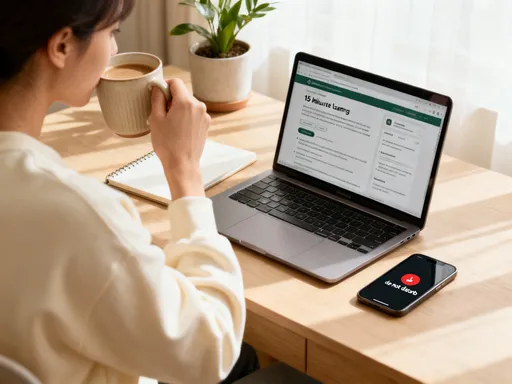
We’ve all been there—morning coffee in hand, staring at an overflowing inbox, wondering how we’ll ever catch up. You set goals, write to-do lists, and mean to stay focused, but by midday, you’re buried in replies, forwards, and “quick” requests. What if your email wasn’t the problem but the solution? What if every message could quietly guide you closer to what you truly want? Let’s rethink how we use our inbox—to organize not just mail, but meaning.
The Overwhelm We All Feel: When Productivity Tools Miss the Point
You sit down with the best intentions. Your planner is open, your goals are written in bold, and you’ve even blocked time for deep work. But then—ping—the first email of the day lands. Then another. And another. Before you know it, you’re responding to a request from your child’s school, confirming a meeting time, and replying to a friend about weekend plans—all before 9 a.m. Sound familiar? This isn’t laziness. It’s not poor time management. It’s that our tools don’t speak the same language as our lives.
Most productivity advice tells us to “just focus,” “turn off notifications,” or “use a better app.” But here’s the truth: we don’t need more discipline. We need systems that work with how we actually live. The average working parent doesn’t have the luxury of three uninterrupted hours a day. We’re juggling roles—caregiver, professional, partner, self—and our inbox is where all of it crashes together. It’s not just a stream of messages. It’s a mirror of our responsibilities, dreams, and daily reality.
And yet, most of us treat email like an enemy. We try to “conquer” it, “tame” it, or “win” at it. But what if we stopped fighting and started listening? What if every email wasn’t just noise, but a clue—pointing to what matters, what’s moving, and what’s slipping through the cracks? The real problem isn’t the volume of email. It’s that we’re not using it to track what we care about. We’re organizing for urgency, not for meaning. And that’s why, even when we clear the inbox, we still feel behind.
I remember feeling this way a few years ago. I had goals—learn Spanish, grow my side business, spend more quality time with my kids—but none of them showed up in my daily routine. My to-do list was full, but my progress was invisible. Then one day, I noticed something: every time a client said yes, a scholarship came through, or my daughter’s teacher praised her progress, it arrived in my inbox. The evidence was there. I just wasn’t seeing it. That’s when I realized—my email wasn’t the obstacle. It was the record. And with a few small shifts, I could turn it into a tool that didn’t just manage messages, but measured what mattered.
What If Your Inbox Could Track Your Progress—Without Extra Work?
Imagine this: you don’t need another app, another journal, or another complicated tracker. What if your email—yes, that same overwhelming inbox—could quietly show you how far you’ve come? No extra steps. No daily data entry. Just a smarter way of seeing what’s already happening.
This is the idea of goal-aware email management. Instead of treating every message as a task to complete, we start treating some of them as milestones to notice. Think about it: when a project gets approved, a meeting is confirmed, or a payment clears, it usually comes with an email. These aren’t just administrative notes—they’re wins. But because they’re buried in the noise, we miss them. We respond, file, and move on, never pausing to acknowledge that something important just happened.
I worked with a freelance designer—let’s call her Lisa—who felt stuck. She was busy, yes, but didn’t feel like she was growing. She had goals: raise her rates, land two big clients, and build a portfolio of meaningful work. But months passed, and she couldn’t point to real progress. Then we tried something simple. We created a label in her inbox: “Client Wins.” Every time she received an email that said “approved,” “hired,” or “looking forward to working together,” she tagged it.
At first, it felt silly. “That’s not a system,” she said. “It’s just labeling.” But after four weeks, she reviewed the folder. There were 11 emails—11 moments of progress she hadn’t celebrated. Two new clients. A rate increase confirmed. A referral from a happy customer. She hadn’t realized how much she’d actually achieved because she was too busy reacting to the next request. But now, she could see it. Her inbox wasn’t just a to-do list. It was a progress report.
The beauty of this approach is that it doesn’t add work—it reveals work. You’re already reading these emails. You’re already filing them. The shift is in intention. Instead of organizing by sender or date, you organize by outcome. And suddenly, your inbox stops being a source of stress and starts being a source of encouragement. It’s not magic. It’s mindfulness with a keyboard.
From Clutter to Clarity: How Organizing Emails Builds Mental Space
Have you ever noticed how a messy kitchen makes it harder to cook? Or how a cluttered closet makes it harder to choose an outfit? Our physical spaces affect our thinking. And so do our digital ones. When your inbox is a chaotic mix of bills, newsletters, work requests, and family updates, your mind starts to feel that way too. It’s not just distracting. It’s disorienting.
But here’s what happens when you start organizing your email with purpose: your mind calms down. When messages are sorted not by urgency but by meaning—by project, by goal, by life area—you begin to see patterns. You stop feeling scattered because your system reflects your priorities. One mom I know—Sarah—used to feel overwhelmed every time she checked her email. She was a part-time teacher, a volunteer coordinator, and a mom of two. Her inbox was a tornado of responsibilities.
So we created a simple folder system: “Teaching,” “Family,” “Personal Growth,” and “Big Goals.” Then, within “Big Goals,” she added subfolders: “Save for Vacation,” “Publish My Cookbook,” and “Run a 5K.” Every time an email came in, she filed it not just to clear it, but to align it with her life. A recipe test feedback? Into “Cookbook.” A race registration confirmation? Into “5K.” A school fundraiser update? Into “Family.”
At first, it took a minute or two more. But within a week, something shifted. She started noticing how often she was moving forward—even in small ways. “I didn’t realize I’d gotten three cookbook test results in one week,” she told me. “It made me feel like I was actually doing it.” That’s the emotional power of organized email: it turns invisible effort into visible progress. And that builds confidence.
It’s like keeping a journal, but one that writes itself. You don’t have to remember to log your wins. They arrive in your inbox. You just have to train yourself to see them. And when you do, something interesting happens: you start feeling more in control. Not because you’ve done more, but because you can finally see what you’ve done.
Turning Messages into Milestones: A Simple System That Works
Now, let’s get practical. You don’t need fancy software or tech skills. This system works in Gmail, Outlook, Apple Mail—any platform you already use. And it takes less than 15 minutes to set up.
Step one: define your top three goals. They can be personal, professional, or a mix. For example: “Grow my online store,” “Spend more time outdoors with my kids,” or “Learn basic coding.” Keep them simple and meaningful.
Step two: create labels or folders for each goal. In Gmail, go to “Labels” and create new ones like “Side Business,” “Family Time,” or “Learning.” In Outlook, create folders in your inbox. Name them clearly so you’ll remember what they’re for.
Step three: set up filters. This is where the magic happens. In Gmail, click “Settings,” then “See all settings,” then “Filters and Blocked Addresses.” Click “Create a new filter.” You can filter by keywords like “order confirmed,” “enrollment,” “approved,” or even “you’re in!” When emails with these words arrive, they’ll automatically be labeled and, if you choose, moved to a folder.
For example, if one of your goals is to save for a home, you might create a filter for “savings,” “transfer,” or “balance.” Every time your bank sends an update, it gets tagged. Over time, you’ll see a growing list of contributions—quiet proof that you’re moving forward.
A student I worked with used this to track scholarship applications. She created a label called “Scholarships” and filtered for “award,” “congratulations,” and “accepted.” Each time she got good news, it landed in that folder. On tough days, she’d open it and remember: “I’m not failing. I’m progressing.”
The key is consistency, not perfection. Some emails will slip through. That’s okay. The goal isn’t a perfect system. It’s a meaningful one. Even if you only tag one email a week, you’re building awareness. And awareness is the first step to change.
The Hidden Power of Weekly Email Reviews—Your Personal Progress Check-In
We’re taught to review email to clear it. But what if we reviewed to celebrate it? That’s the idea behind the weekly progress check-in—a 20-minute ritual that can change how you see yourself.
Every Friday afternoon, before you close your laptop, do this: open your goal-related labels or folders. Scroll through the “wins” of the week. Look at the “Side Business” folder. Did you get a client email? A sale notification? A collaboration invite? Open “Family Time.” Any photos from a weekend hike? A school event confirmation? A “thank you” from your child’s teacher?
This isn’t about productivity. It’s about recognition. Most of us never take time to acknowledge our progress. We’re too busy chasing the next thing. But when you pause and review, you start to see a story—one of effort, resilience, and small victories. One woman, recovering from burnout, started this practice after months of feeling like she’d lost herself. At first, her “wins” folder had only two emails. But after six weeks, it had 15. “I didn’t realize I’d done so much,” she said. “It made me feel like I was still capable.”
And here’s the bonus: this review isn’t just emotional. It’s strategic. As you look back, ask yourself: What’s working? What goal is moving fastest? What area needs more attention? This isn’t guesswork. It’s data—real evidence from your daily life. You might notice that your “Learning” folder is empty, while “Household Tasks” is full. That’s a signal. Maybe it’s time to rebalance.
Over time, this weekly ritual becomes a compass. It doesn’t just show where you’ve been. It helps you decide where to go next. And it does it using the one tool you already use every day—your inbox.
When Technology Meets Intention: Designing an Inbox That Reflects Your Life
Here’s a thought: your inbox doesn’t have to be a dumping ground. It can be a reflection of who you are—and who you’re becoming. When you organize email with intention, you’re not just managing messages. You’re shaping your mindset.
Think about the names you give your folders. “Urgent Tasks” makes you feel pressured. “Future Projects” makes you feel hopeful. “Bills” feels heavy. “Financial Freedom” feels empowering. Language matters. It shapes how you think about your goals. One woman changed her folder from “Chores” to “Home & Harmony.” She said it changed how she approached housework—less resentment, more care.
This is technology as a quiet ally. Not a distraction. Not a demand. But a support system. When your digital space reflects your values—growth, connection, balance—you’re more likely to live them. You start seeing opportunities because your system highlights them. An email about a community art class? Filed under “Creativity.” A message from a friend inviting you to lunch? Tagged as “Connection.” Over time, you’re not just organizing email. You’re reinforcing what matters.
And the best part? It’s all invisible to others. No one sees your labels. No one knows your filters. This is for you. It’s a personal system that honors your journey. In a world that pulls you in a hundred directions, this is your way of saying: I’m paying attention. I’m tracking what counts. I’m building a life, one email at a time.
Making It Stick: How Small Habits Create Lasting Change
Any system fails if it feels like work. That’s why the key isn’t big changes—it’s tiny, sustainable ones. Think 90 seconds a day. That’s all it takes to file a few key emails. Or set a recurring calendar reminder: “Friday 4 PM—Check Wins.” These micro-habits compound.
One mom told me she does her filing while waiting for the kids’ soccer practice to end. Another reviews her progress labels while her coffee brews. The trick is to attach the habit to something you already do. No extra time. No mental load. Just a small pause to align your inbox with your life.
And when you do this consistently, something deeper happens. You build self-trust. You start believing that you can follow through. Because you see the evidence—every week, every month, every year. You’re not just managing email. You’re proving to yourself that you’re moving forward.
Let’s go back to that morning scene—the coffee, the overflowing inbox, the feeling of being behind. Now imagine the same woman, six months later. She still gets hundreds of emails. But now, she has a system. She reviews her wins every Friday. She sees her progress. She knows her goals aren’t slipping away—they’re being built, quietly, one message at a time. She’s not drowning. She’s navigating. And her inbox? It’s no longer the problem. It’s part of the solution.
Technology doesn’t have to complicate your life. When used with intention, it can clarify it. Your email can be more than a to-do list. It can be a map. A journal. A quiet companion on your journey. The tools are already in your hands. The question is: how will you use them—not just to survive the day, but to build the life you want?