Why Flexibility Feels Like Freedom — My Daily Moves That Changed Everything
You don’t need to be a yogi to feel more fluid in your body. I used to stiffen up after sitting all day—simple stretches barely helped. Then I shifted my mindset: flexibility isn’t about touching toes, it’s about moving without resistance. Over months, small, consistent changes rewired my body’s response. This isn’t magic—it’s science meeting daily habit. If you’ve ever felt tight, restricted, or just “off,” you’re not broken. You might just be missing the right moves. Let’s explore how real flexibility truly works.
The Misunderstood Truth About Flexibility
Flexibility is often misunderstood as simply how far you can stretch or whether you can fold your body in half. But in reality, it encompasses much more than passive range of motion. True flexibility involves joint mobility, muscle elasticity, and crucially, the nervous system’s willingness to allow movement. It’s not just about how long you can hold a stretch, but whether your body feels safe and capable within that movement. Many people equate stiffness with weakness, but that’s not always accurate—someone can be strong and still lack mobility, just as someone flexible may lack stability and be at greater risk of injury.
The misconception that flexibility is only for athletes or dancers keeps many from prioritizing it. Yet, research shows that reduced range of motion begins as early as the mid-30s, accelerating with sedentary lifestyles. This decline often goes unnoticed until everyday actions—like reaching for a high shelf, bending to tie a shoe, or turning to check a blind spot while driving—become uncomfortable or difficult. Pain is usually the wake-up call, but by then, compensatory patterns have already formed. Muscles tighten to protect joints, movement becomes inefficient, and the body begins to resist even simple motions.
Another myth is that flexibility is a fixed trait—you either have it or you don’t. Science now confirms that mobility can be improved at any age through consistent, intelligent movement. The key lies not in forcing the body, but in re-educating it. Flexibility is not just physical; it’s neurological. Your brain and spinal cord regulate how much tension your muscles maintain based on perceived safety. When you sit for hours, your hip flexors shorten not because they’ve forgotten how to lengthen, but because your nervous system adapts to the repeated posture. The solution isn’t just stretching—it’s changing the message your body receives every day.
Why Your Body Resists Movement (And How to Respond)
If you’ve ever stood up from a long work session and felt like your hips were glued shut, you’ve experienced your body’s protective mechanism in action. This sensation isn’t always due to tight muscles in the traditional sense—it’s often the nervous system responding to prolonged inactivity by increasing muscle tone. This is known as “muscular guarding,” a reflexive tightening that stabilizes joints when they’re not being actively used. While useful in the short term, chronic guarding leads to reduced circulation, decreased joint lubrication, and a feeling of persistent stiffness.
Modern life is built around repetitive, static postures—hours at a desk, staring at screens, commuting in cars. These habits send consistent signals to the nervous system: “We’re not moving much, so let’s conserve energy and lock things down.” Over time, the brain begins to treat limited movement as the new normal. This creates what experts call “neurological shortening,” where muscles aren’t physically shorter, but the nervous system prevents them from fully lengthening. This explains why static stretching alone often fails to create lasting change—it doesn’t address the brain’s role in regulating muscle length.
Reduced movement also affects the health of your joints. Synovial fluid, which lubricates and nourishes cartilage, is pumped into joints through motion. Without regular, varied movement, this fluid isn’t circulated effectively, leading to stiffness and accelerated wear. Additionally, poor circulation means muscles receive less oxygen and accumulate metabolic waste, contributing to that heavy, fatigued feeling. The body’s resistance to movement isn’t stubbornness—it’s a complex response to underuse, poor signaling, and diminished tissue health. The good news is that this cycle can be reversed with the right kind of daily input.
The Science of Stretch: What Actually Works
Not all stretching is created equal. For decades, people were told to hold static stretches for 30 seconds before exercise, but modern research reveals that this approach has limited benefits—and can even impair performance if done at the wrong time. The most effective flexibility work is strategic, timed, and tailored to your goals. Three key methods stand out: dynamic stretching, static stretching, and proprioceptive neuromuscular facilitation (PNF). Each serves a different purpose and works best in specific contexts.
Dynamic stretching, which involves moving joints through their full range of motion in a controlled way, is ideal before physical activity. Examples include leg swings, arm circles, and walking lunges. These movements increase blood flow, activate the nervous system, and prepare muscles for action. Unlike static stretching, dynamic movements don’t reduce muscle power, making them safer and more effective for warming up. Studies show that dynamic routines improve performance and reduce injury risk, especially in activities requiring coordination and speed.
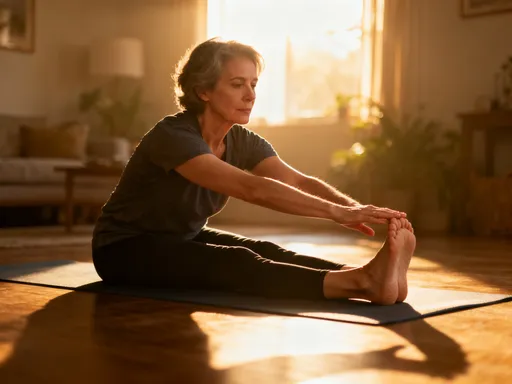
Static stretching—holding a position for a sustained period—works best after exercise or during dedicated flexibility sessions. Research suggests that holding stretches for 30 to 60 seconds, repeated 2 to 4 times per muscle group, yields the best long-term gains in flexibility. The key is consistency, not intensity. Forcing a stretch or bouncing (ballistic stretching) can trigger the stretch reflex, causing muscles to contract defensively and increasing injury risk. Instead, gentle, sustained tension allows the nervous system to gradually accept a new range of motion.
PNF techniques, often used in physical therapy, involve contracting a muscle before stretching it, which can lead to greater gains in flexibility. A simple version is the “contract-relax” method: gently push against resistance for 5–10 seconds, then relax and deepen the stretch. This signals the nervous system that the muscle is strong and safe, making it more willing to lengthen. While PNF is highly effective, it doesn’t require a partner—many moves can be self-applied using a wall or floor for resistance.
Daily Flexibility Hacks That Fit Real Life
One of the biggest barriers to improving flexibility is the belief that it requires time, space, or special equipment. The truth is, small, frequent movements throughout the day are more effective than one long session once a week. The body responds best to consistency, not duration. Integrating flexibility into daily routines ensures that your muscles and joints receive regular input, preventing the stiffness that builds up from inactivity.
Simple seated spine waves, for example, can be done at your desk. Sit tall, inhale as you arch your back slightly, and exhale as you round your spine—like a slow, controlled cat-cow stretch. Repeat for 1–2 minutes every hour. This keeps the spine mobile and counteracts the forward slump of prolonged sitting. Doorway chest opens are another easy fix: stand in a doorway, place your forearms on the frame, and gently lean forward to stretch tight chest muscles. Hold for 30 seconds while breathing deeply—ideal during a coffee break or while waiting for the kettle to boil.
Ankle circles, wrist rotations, and neck glides take less than a minute and can be done anywhere—on a commute, during a phone call, or while watching TV. These micro-movements maintain joint health and prevent the cumulative stiffness that leads to discomfort. The goal isn’t to achieve a perfect stretch, but to send a consistent message to your body: “We’re still moving.” Pairing these movements with habits you already have—like brushing your teeth or pausing between episodes—makes them easier to remember and sustain.
Consistency is more important than intensity. A five-minute routine done daily will yield better results than an hour-long session once a week. Tracking progress helps—notice how your body feels when you skip a day versus when you move regularly. Many women in their 40s and 50s report that these small changes reduce morning stiffness, improve sleep quality, and make daily tasks feel easier. The key is to stop thinking of flexibility as a workout and start seeing it as self-care—a daily act of listening to your body’s needs.
Breathing, Tension, and the Mind-Body Connection
Breathing is one of the most powerful yet overlooked tools for improving flexibility. Shallow, chest-based breathing—common during stress—triggers the sympathetic nervous system, increasing muscle tension and reducing mobility. In contrast, diaphragmatic breathing activates the parasympathetic system, signaling safety and allowing muscles to relax. When you breathe deeply into your belly, you create internal space, reduce guarding, and make stretching more effective.
The link between stress and physical tension is well-documented. When you’re anxious or overwhelmed, your body often responds with clenched jaws, tight shoulders, or a stiff lower back. These are not just metaphors—stress literally changes how your muscles behave. Cortisol, the primary stress hormone, increases muscle tone and reduces tissue elasticity over time. This means that even with regular stretching, unresolved stress can limit your progress. Addressing the mental and emotional component is essential for lasting change.
Incorporating breath into movement enhances both flexibility and body awareness. Try this simple exercise: lie on your back with knees bent, place one hand on your chest and one on your belly. Inhale deeply through your nose, letting your belly rise, then exhale slowly through your mouth, drawing your navel toward your spine. After a few rounds, gently pull one knee toward your chest and breathe into the stretch. Notice how the exhale helps you sink deeper. This is not just relaxation—it’s neurologic retraining.
Another effective practice is the “90/90 hip stretch” with breath coordination. Sit on the floor with your legs bent at 90 degrees, one shin parallel to the front, the other to the side. Keep your spine tall and breathe into any tightness in the hips. On each exhale, gently relax deeper into the position. This combination of alignment, breath, and patience allows the nervous system to release resistance without force. Over time, these mindful moments build a new relationship with your body—one based on trust, not struggle.
Flexibility for Long-Term Resilience, Not Just Performance
While athletes often focus on flexibility for performance, its true value lies in long-term resilience. Improved range of motion reduces the risk of falls, strains, and joint degeneration. As we age, maintaining mobility becomes increasingly important for independence and quality of life. Studies show that adults with greater flexibility have better balance, reduced chronic pain, and higher functional capacity in daily activities like climbing stairs, gardening, or playing with grandchildren.
Flexibility also supports posture and spinal health. Tight hip flexors pull the pelvis forward, leading to lower back pain. Tight hamstrings contribute to a flattened spine, reducing shock absorption. When muscles are balanced and joints move freely, the body can maintain neutral alignment with less effort. This not only prevents pain but also improves energy levels—when your body isn’t fighting against itself, you feel lighter and more capable.
Perhaps most importantly, flexibility fosters a sense of bodily autonomy. It’s the ability to move without fear, to reach, bend, twist, and rise without hesitation. This isn’t about achieving a certain look or fitting into a particular mold—it’s about having choices. When your body feels fluid, your mind feels freer. Daily movement becomes less of a chore and more of a celebration of what your body can do.
Shifting the focus from aesthetics to function changes everything. Instead of asking “How far can I go?” you begin to ask “How does it feel?” This mindset supports sustainable habits because it’s rooted in self-awareness, not comparison. Women who prioritize functional flexibility often report increased confidence, better sleep, and a deeper connection to their bodies. It’s not about being perfect—it’s about being present.
Building Your Personal Flexibility Blueprint
The most effective flexibility routine is one that fits your unique needs and lifestyle. Start by assessing your baseline: where do you feel restriction? Is it in your hips when you sit, your shoulders when you reach overhead, or your lower back when you bend forward? Notice when stiffness shows up—morning, after sitting, or during certain activities. This self-awareness is the foundation of a personalized plan.
Choose 3 to 4 targeted moves that address your specific areas of tension. For example, if your hips feel tight, include seated figure-four stretches, kneeling hip flexor releases, and gentle pigeon pose variations. If your shoulders are stiff, add doorway chest stretches, arm swings, and shoulder rolls. Focus on quality of movement, not depth. The goal is to feel a gentle pull, not pain.
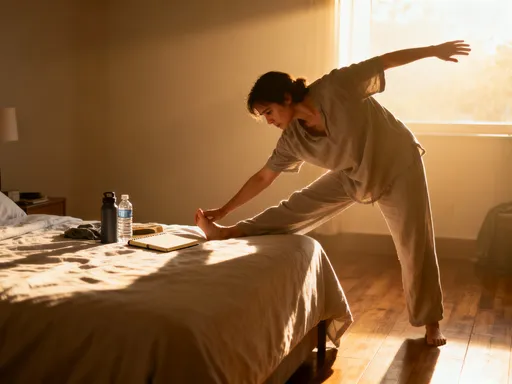
Integrate these moves into your day using habit stacking—pair them with existing routines. Stretch your hamstrings while waiting for your morning coffee. Do ankle circles during TV commercials. Practice diaphragmatic breathing before bed. Tracking progress can be as simple as journaling how your body feels or noting improvements in daily tasks. Be patient—real change takes weeks to months, but the shifts are often subtle and cumulative.
Finally, be willing to adjust. Your body’s needs will change with age, activity level, and life circumstances. A routine that works today may need tweaking in six months. The key is to stay curious and responsive. Flexibility is not a destination—it’s a practice of showing up, listening, and moving with kindness. Over time, this becomes less about fixing “problems” and more about nurturing a body that feels alive, capable, and free.
True flexibility isn’t about extremes—it’s about ease, choice, and listening to your body. When movement feels fluid, life feels lighter. This isn’t a quick fix, but a lifelong practice of showing up for yourself, one stretch at a time.